



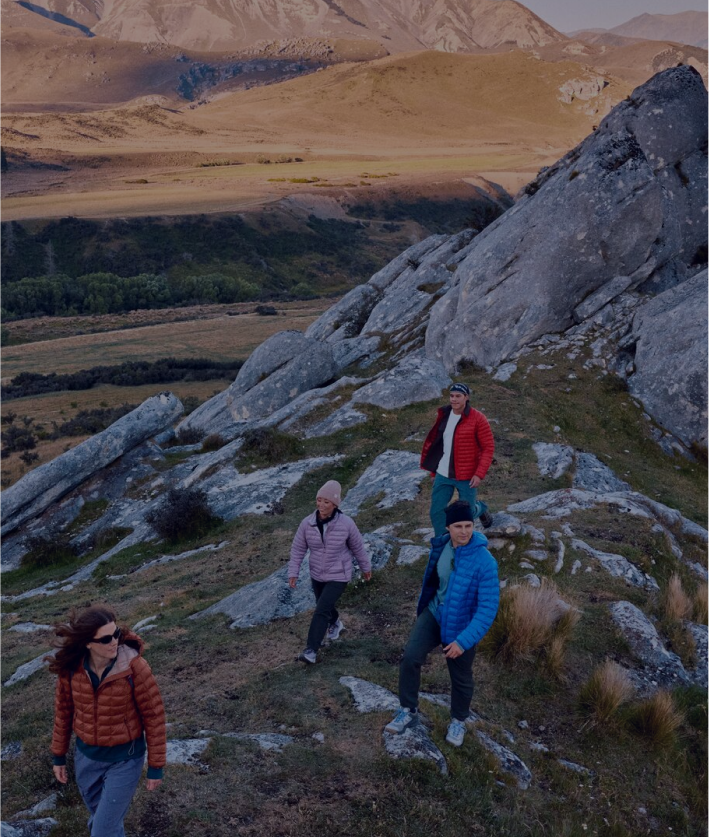
How to choose sun protection clothing: The ultimate UPF 50+ buyer’s guide

How to choose sun protection clothing: The ultimate buyer’s guide
Whether you’re gearing up for a multi-day tramp, a day on the water or summer travel, staying sun-safe matters under the intense Aotearoa and Australian sun. UPF 50+ clothing blocks at least 98% of harmful UV rays, but picking the right piece takes more than checking the rating tag.
The best sun protection clothing is the piece you actually want to wear when the temperature rises. Here’s how to evaluate it and match it to what you’re doing.
What does UPF 50+ mean?
UPF (Ultraviolet Protection Factor) rates how much UVA and UVB radiation a fabric stops before it reaches your skin. UPF 50+ is the top rating for clothing and means the fabric blocks at least 98% of UV. The rating only applies to skin the garment covers. Regular fabrics like cotton or linen can be as low as UPF 5, so don’t assume any shirt will do.
1. Match the fabric to your activity
Not all UPF fabrics behave the same way in the field. Choosing the right material comes down to what you’ll be doing most:
• High-sweat hiking and running (lightweight synthetics): Look for lightweight, tightly knitted polyester or nylon fabrics. Tightly knit synthetics block UV well while staying breathable, quick drying and good at moving moisture. Kathmandu pick: the SUN-Stopper range, made from 100% recycled polyester with UPF 50+ protection, stays light on steep climbs. Pair with Ridge 7” UPF 50+ shorts for a for a light, breathable setup that keeps up when the pace picks up.
• Water sports and kayaking (quick-dry and stretch): Water reflects UV back onto exposed skin and wet fabric can lose some UV protection. Choose quick-drying synthetics with stretch for freedom of movement and fast drying off the water. Kathmandu pick: the SUN-Stopper LT Hoodie, with a three-panel hood and cowl neck for extra neck protection. Pair it with the Trailhead Cargo 7" UPF 50+ Shorts, with water-repellent finish and tough, stretchy fabric. Top it off with the Trailhead UPF 50+ Wide Brim Hat, which has a neck sun shield stashed in the brim.
2. Look for smart design and coverage features
Pay attention to the details that add coverage without adding bulk:
• 3-panel hoods and cowl necks: protect the neck and the back of the head
• Extendable or flip-up collars: extra neck shade on button-up shirts
• Roll-up sleeves: adjust coverage as the day heats up
• Ventilation: mesh panels, underarm gussets or back vents
• Anti-odour treatment for multi-day trips without extra weight
3. Sun hoodie vs collared shirt: which one?
• Sun hoodies suit continuous movement like day hikes, trail running and paddling. The SUN-Stopper LT Hoodie has a three-panel hood that protects the back of the neck and a cowl neck opening to protect the front of your neck.
• Collared shirts suit travel and classic hiking, where you want to adjust coverage on the go. The Sun Breaker Long Sleeve Shirt is a classic button-up with roll-up sleeves, a zip chest pocket and mechanical stretch. For hot days, the Sun Breaker Short Sleeve Shirt adds underarm ventilation and a full button front.

4. Ventilation is non-negotiable
Dense weaves block UV but can trap heat. Choose garments with back vents, underarm mesh or a zip neck so you can dump heat on warm trails.
5. Get the fit right: relaxed over tight
When stretchy fabric is pulled tight across skin, the weave opens up and more UV gets through. A relaxed or regular fit keeps the weave dense, lets air move between fabric and skin, and doesn’t restrict movement.
6. Don’t forget bottoms and headwear
• Pants and Shorts Trailhead UPF 50+ Pants offer durable, lightweight coverage with stretch for technical movement when you need full-leg protection from both sun and brush. The Trailhead 3in1 Convertible Pants are UPF 50+ and zip off from full-length to 3/4 pants to shorts as the forecast changes, with a quick-dry, stretchy fabric and a water-repellent finish.
• Trail & Outdoor shorts: The Ridge 10" Shorts are UPF 50+, stretchy and breathable, with a water-repellent finish and zip pockets for long days on the trail. The Trailhead Cargo 10" UPF 50+ Shorts feature multi-pocket utility for carrying trail essentials on multi-day treks. For shorter day hikes or warmer scrambles, the Trailhead 7" UPF 50+ Shorts give you a streamlined, agile fit with durable UPF protection.
• Hats: A standard cap leaves your ears and the back of your neck exposed. Go for a wide brim, like the Trailhead UPF 50+ Wide Brim Hat, which has a neck sun shield stashed in the brim and packs down when you’re done.
Quick summary: which UPF gear do you need?

| Your activity | Gear style | Look for | Kathmandu pick |
|---|---|---|---|
| Day hiking | Light UPF 50+ sun shirt or hoodie | Moisture-wicking, stretch, breathable | SUN-Stopper LT Hoodie, Ridge 10" Shorts, Trailhead UPF 50+ Pants |
| Multi-day tramping | Button-up trail shirt | Anti-odour, chest pockets, roll-up sleeve tabs | Sun Breaker Long Sleeve, Trailhead 3in1 Convertible Pants, Men's Trailhead Cargo 10" Shorts, Ridge UPF 50+ Long Sleeve Shirt |
| Paddling and beach days | Quick-dry hoodie or top | Fast-drying synthetic, stretch | SUN-Stopper LT Hoodie, Ridge 7” UPF 50+, Trailhead UPF 50+ Wide Brim Hat |
| Travel and everyday | Versatile UPF shirt, shorts, hat | Packable, breathable, easy care | Sun Breaker Short Sleeve, Men's Trailhead 7" Shorts, Trailhead UPF 50+ Wide Brim Hat, Flight Stretch Long Sleeve UPF 50+ Shirt |
Frequently asked questions
Should I choose UPF clothing or sunscreen?
Both. UPF clothing gives continuous protection for the skin it covers, with no reapplying, sweating off or rubbing off. Use broad-spectrum sunscreen on exposed areas like your face, ears and the backs of your hands.
What’s the difference between UPF and SPF?
SPF rates sunscreen, and UPF rates fabric. UPF accounts for both UVA and UVB, and it’s built into the garment rather than applied to your skin.
Does washing or wear affect UPF protection?
UPF built into the fabric’s construction is designed to last, but protection can drop if a garment is stretched, wet or heavily worn. Follow the care label and replace pieces that have thinned or faded.
Does colour matter?
Darker colours can block slightly more UV, but with UPF 50+ fabrics the difference is small. Weave, fibre and weight matter more.
Gear up for your next sunny adventure
Good sun protection clothing balances coverage with lightweight breathability. Pick the right fabric and fit for your activity and you can stay out longer with total peace of mind.
Related Articles

How to choose hiking pants
5 minute read

How to dress your kids for a day hike
3 minute read

Hiking Boots vs Shoes: Which should you choose?
5 minute read

How to clean and store a tent
7 minute read
How to choose hiking pants
5 minute read
How to dress your kids for a day hike
3 minute read
Hiking Boots vs Shoes: Which should you choose?
5 minute read
How to clean and store a tent
7 minute read